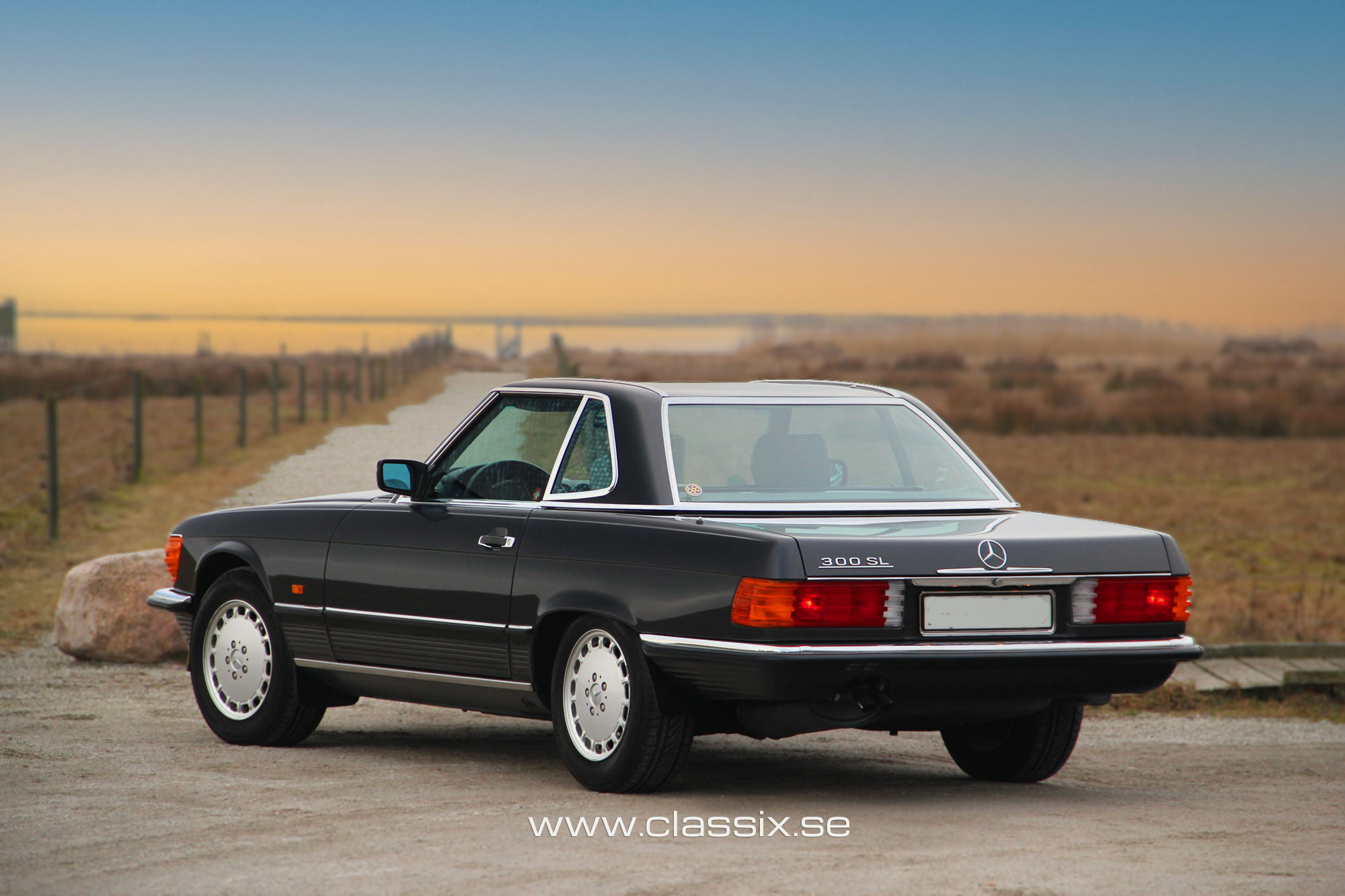
The Mercedes R107 cars
When it comes to timeless elegance and driving pleasure, few cars match the Mercedes-Benz R107 and C107 series. Spanning nearly two decades from 1971 to 1989, these iconic vehicles hold a special place in automotive history as the peak of luxury and performance. In this article, we delve into the evolution, models, and key considerations for those seeking to own a piece of automotive legend.
Evolution of the R107/C107 Series
The journey of the R107/C107 series began in March 1971, with the introduction of the 350SL, boasting a formidable 3.5-liter V8 engine producing 197bhp. As the years progressed, the lineup expanded to include the 450SL in 1973, featuring a potent 4.5-liter V8 churning out 222bhp.
In response to the oil crisis of the early 1970s, Mercedes-Benz introduced the 280SL in 1974, equipped with a fuel-efficient straight-six engine, offering a balance between performance and economy.
By 1975, stringent emissions targets prompted the adoption of the Bosch D-Jetronic fuel injection system for the 350SL, 450SL, and 280SL models, albeit with slight reductions in power and torque.
The dawn of the 1980s marked a significant milestone with the unveiling of the facelifted R107 SL at the Geneva Motor Show. This updated iteration featured minor cabin tweaks, a new four-speed automatic transmission, and the introduction of light alloy engines from the S-Class lineup. The lineup welcomed the powerful 500SL, propelled by a new five-liter V8 generating 237bhp, alongside the 380SL and its 3.8-liter engine delivering 215bhp.
In 1981, Mercedes-Benz implemented the 'Mercedes-Benz Energy Concept,' modernizing the 380SL and 500SL V8 engines to enhance fuel efficiency and reduce emissions. These enhancements included increased compression ratios, altered camshaft timing, and the adoption of electronic injection valves, resulting in improved performance and lower emissions.
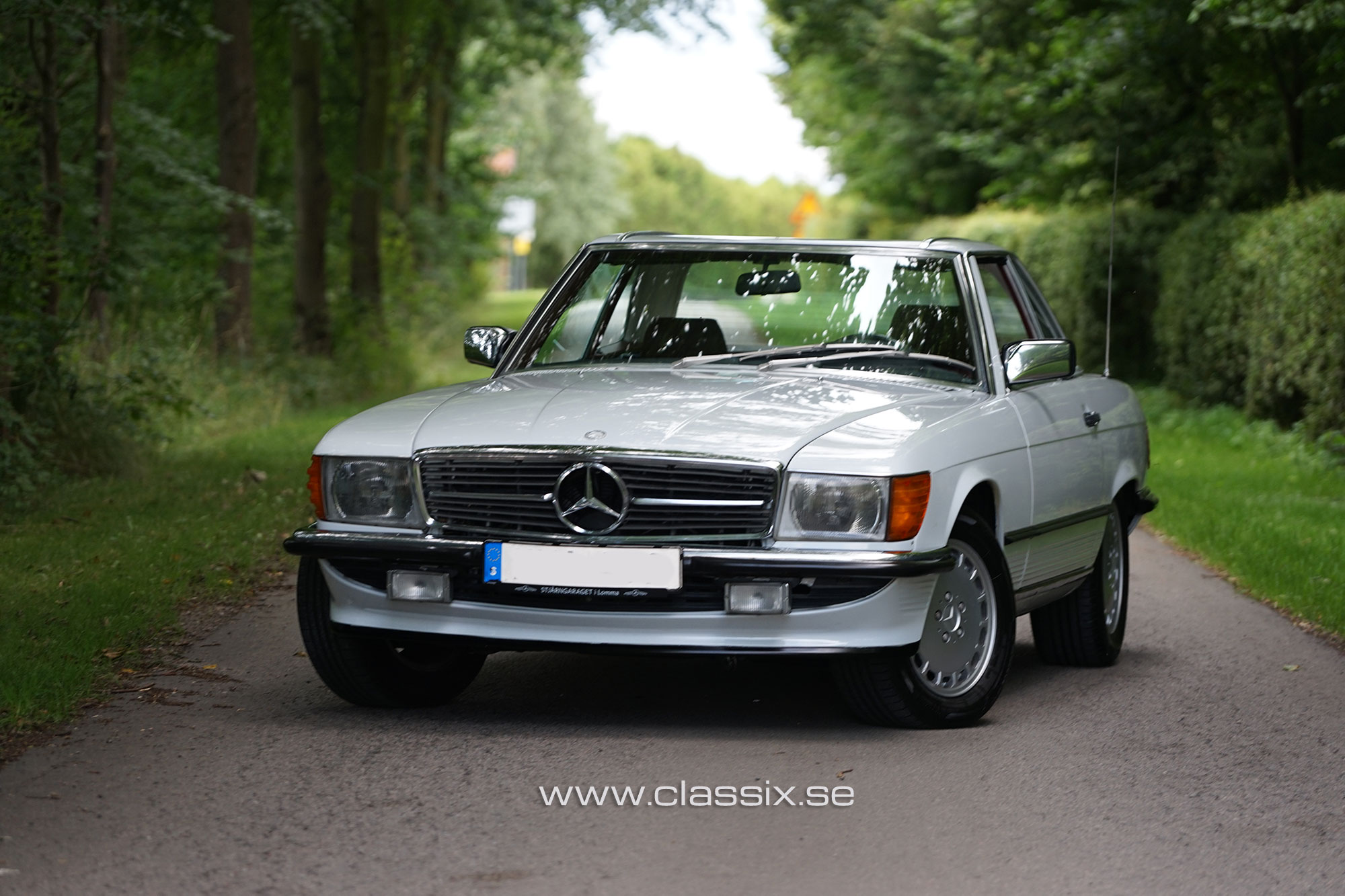
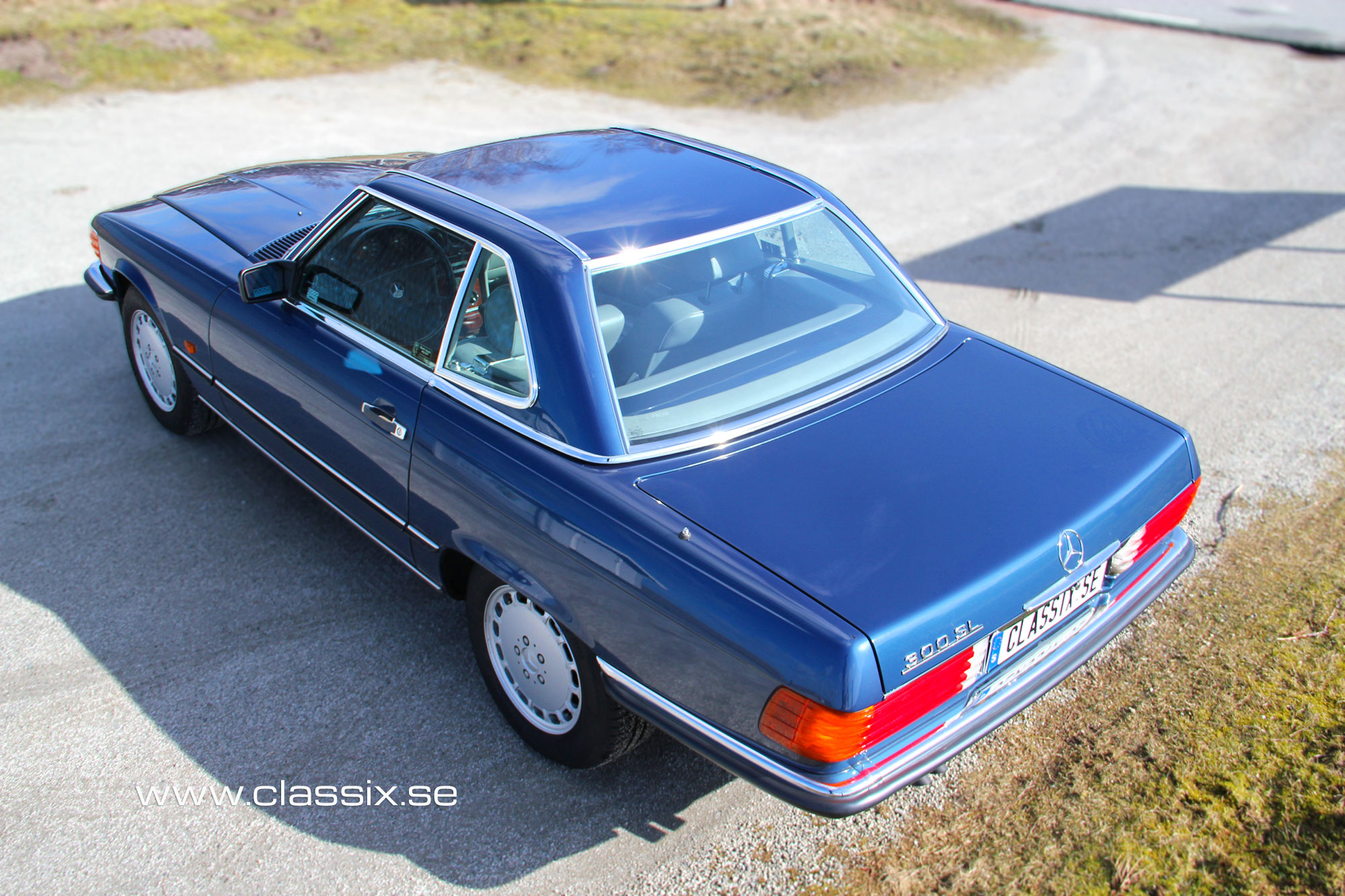
The year 1985 witnessed yet another facelift for the R107 SL series at the Frankfurt Motor Show. This update brought external refinements, enhanced suspension, and a new range of engines. The introduction of the 300SL, 420SL, and 560SL further enriched the lineup, catering to varying preferences and markets, albeit with the 560SL exclusively available in North America, Australia, and Japan.
The legacy of the R107/C107 series culminated in August 1989, as the final 500SL, adorned in Astral Silver metallic, rolled off the production line at Sindelfingen. This momentous occasion marked the end of an era, paving the way for the successor, the R129 SL, which made its debut at the Geneva Motor Show in March of the same year.
Models and Variants of Mercedes R107
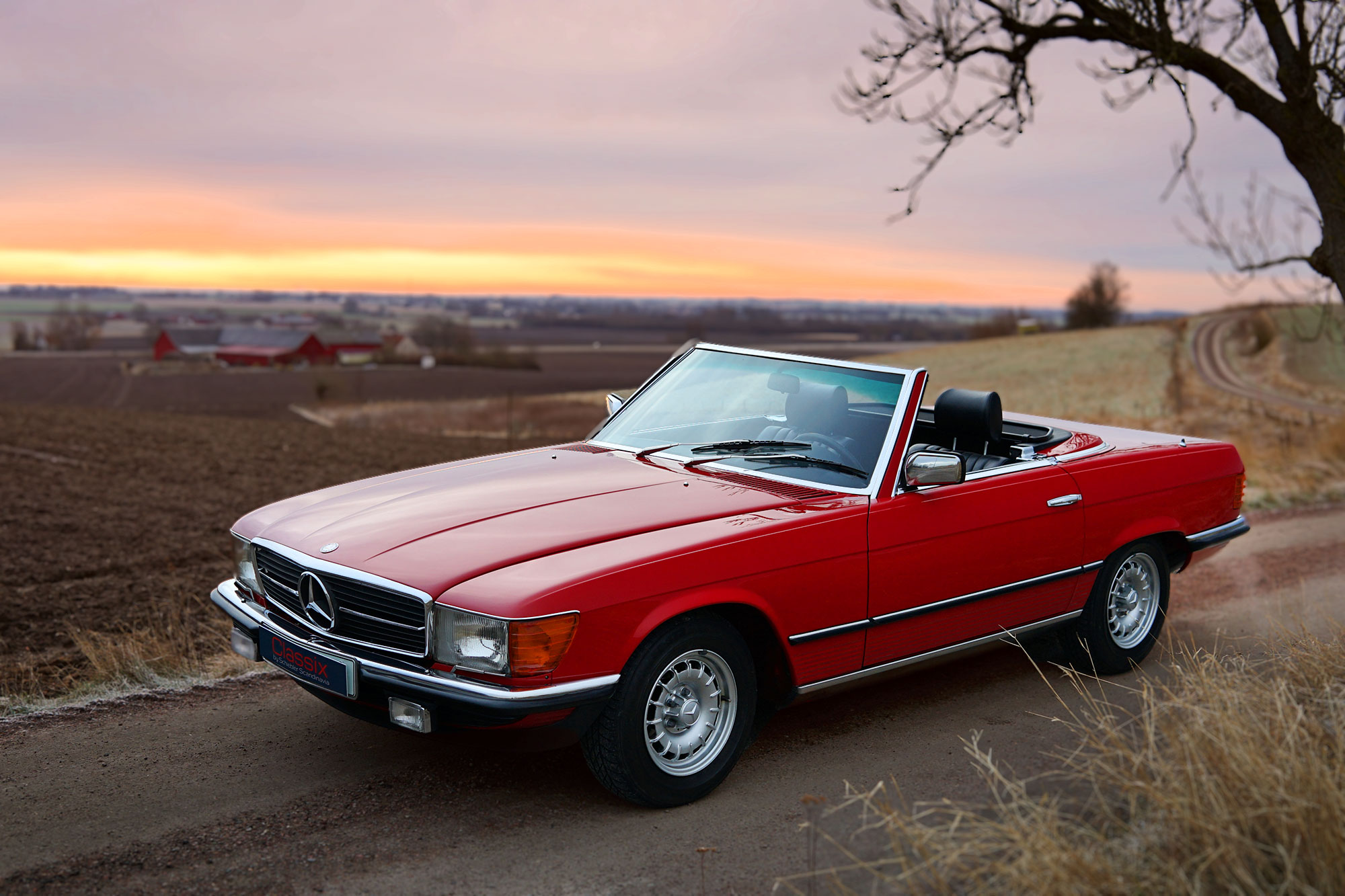
The R107 series, known as the SL, offered a two-seat convertible with a detachable roof, replacing the W113 SL-Class and captivating enthusiasts with its timeless design and exhilarating performance.
On the other hand, the C107 series, referred to as the SLC, presented a four-seat hardtop coupe variant, featuring a fixed roof and optional sliding steel sunroof. This model filled the void left by the W111 Coupe and appealed to those seeking a blend of luxury and practicality. If you are the owner of a Mercedes R107 and you are considering selling it. Please contact us first here.